The Ultimate Guide to Magnetic Angle Finder in the UK
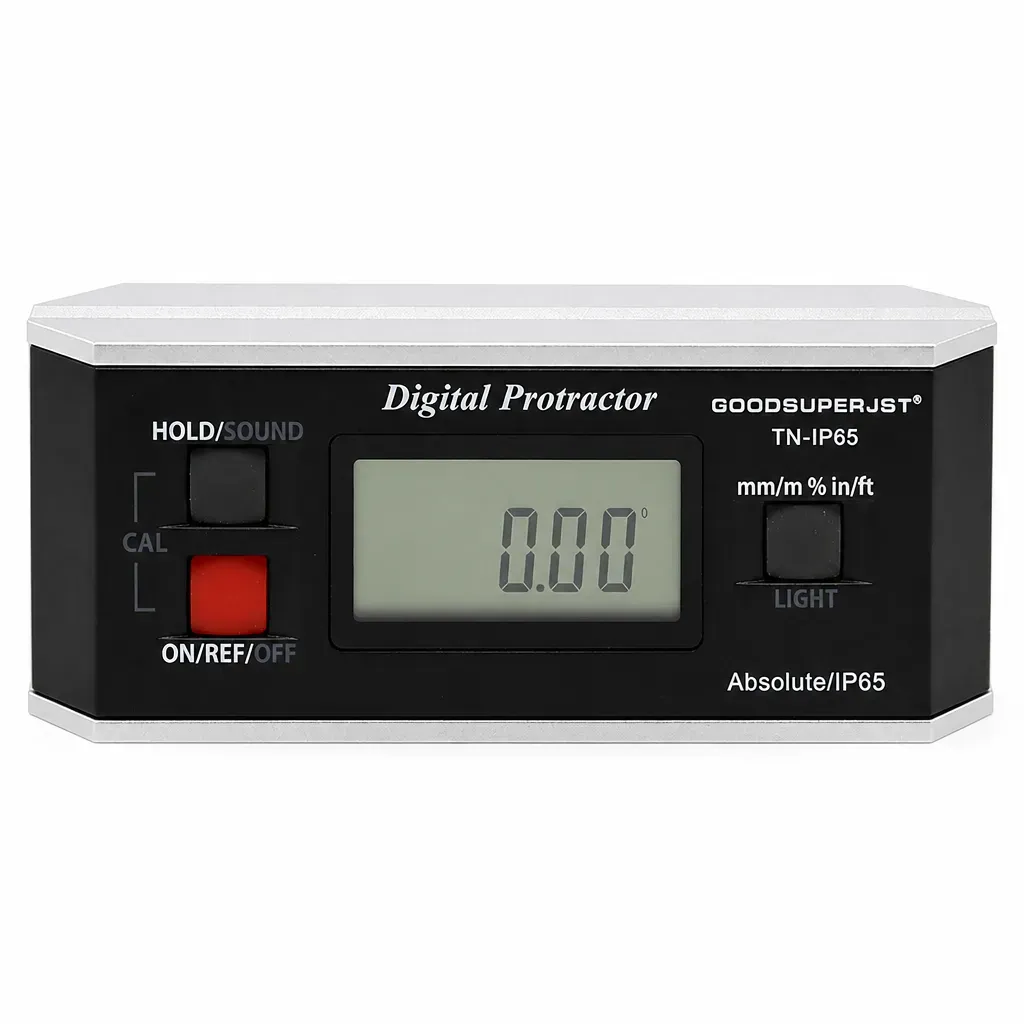
TL;DR: A magnetic angle finder is a compact precision measuring tool equipped with a magnetised base that attaches securely to ferrous surfaces—such as steel beams, pipework, or saw blades. It allows UK tradespeople to instantly calculate exact angles, slopes, and relative levels hands-free, preventing costly rework and ensuring compliance with stringent building regulations.
A magnetic angle finder is an essential digital or analogue measuring instrument designed to determine the exact angle of a surface relative to true level, using integrated magnets to grip securely to metalwork. On a busy UK building site, where conditions shift from dusty to torrential rain in a matter of hours, precision separates a professional installation from a costly callback. Furthermore, relying on guesswork or sub-standard measuring tools is a fast track to failed inspections. Whether you are fabricating steel frames, setting up a table saw, or calculating drainage falls, a magnetic angle finder provides the exact degree of accuracy required to meet stringent British building standards.
Based on our extensive testing at DigitalAng, the ability for tradespeople to attach a measuring device directly to a ferrous surface and work hands-free is indispensable. A reliable magnetic angle finder locks onto steel beams, pipework, and machine blades, delivering instant, precise readouts. Consequently, when errors are measured in millimetres but cost hundreds of pounds to rectify, equipping yourself with a site-proof, highly accurate measuring tool is a basic necessity.
Key Takeaways
- A magnetic angle finder uses integrated rare-earth magnets to secure itself to ferrous surfaces, allowing for hands-free precision measurement.
- Digital variants utilise MEMS (Micro-Electro-Mechanical Systems) technology to provide accuracy up to ±0.1°, far exceeding traditional spirit levels.
- V-groove magnetic bases are essential for plumbing and scaffolding, allowing the tool to seat perfectly on cylindrical pipes.
- The UK construction industry loses billions annually to rework; investing in an IP65-rated, drop-tested digital angle finder mitigates measurement errors.
- Regular calibration and proper swarf removal are vital for maintaining the accuracy of the magnetic base.
What is a magnetic angle finder and how does it work?
Fundamentally, a magnetic angle finder is a compact measuring instrument designed to determine the exact angle of a surface relative to true level (gravity) or relative to another surface. What sets this tool apart from standard protractors or sliding bevels is its base. Embedded with strong magnets, the base adheres securely to ferrous metals like steel and iron.
Historically, these tools relied on analogue mechanisms. A weighted needle or dial would swing freely under the force of gravity, pointing to a printed scale of degrees. While functional, these analogue versions were prone to parallax errors—where the reading changes depending on the user's viewing angle—and were easily disrupted by vibrations from heavy site machinery.
Today, modern iterations have entirely digitised this process. Inside a digital magnetic angle finder sits a MEMS sensor. This microscopic electromechanical system detects gravitational pull and translates it into an electrical signal. Subsequently, a microprocessor converts this signal into a highly readable numerical output on an LCD screen. This transition to digital has brought absolute accuracy to the forefront of the tool market, eliminating the guesswork associated with reading a vibrating needle.
What makes a good magnetic angle finder?
Not all magnetic bases are engineered equally. Ultimately, the effectiveness of a magnetic angle finder hinges entirely on the quality of its adhesion. Based on DigitalAng's product engineering standards, if the tool slips or tilts by even a fraction of a millimetre, the resulting measurement is severely compromised.
Are neodymium magnets necessary?
Professional-grade tools utilise neodymium (rare-earth) magnets rather than standard ferrite. Neodymium provides an exceptionally high pull-force-to-size ratio. Therefore, the angle finder can remain compact and lightweight while generating enough magnetic grip to stay firmly attached to a vibrating saw blade or a vertical steel column without sliding downwards.
Why do you need a V-groove magnetic base?
While a flat magnetic base works perfectly on sheet metal, RSJs (Rolled Steel Joists), and machinery tables, flat bases struggle on curved surfaces. To solve this, premium magnetic angle finders feature a machined V-groove along the bottom edge. This channel allows the magnets to make dual-point contact with cylindrical objects like copper pipework, steel conduit, and scaffolding tubes. As a result, it ensures the tool self-centres on the apex of the pipe, guaranteeing a true reading along the central axis.
What is a magnetic angle finder used for across British trades?
The versatility of a magnetic angle finder makes it a staple across various disciplines. Consequently, each trade leverages the magnetic base to solve specific geometric challenges on site.
Steel Erection and Metal Fabrication
Fabricators constructing steel frames or welding custom brackets rely heavily on precise angles. A magnetic angle finder can be snapped onto a vertical stanchion, allowing the fabricator to use both hands to adjust the adjoining beam or operate welding equipment. Moreover, the ability to zero the device on an existing, out-of-plumb structure and measure a relative angle ensures that complex fabrications fit together seamlessly.
Carpentry and Joinery
Woodworking machinery requires meticulous setup. A blade that is out of square by half a degree will result in gaping joints and wasted timber. Carpenters use magnetic angle finders to set the exact bevel angle on table saws, bandsaws, and sliding compound mitre saws. By magnetically attaching the tool directly to the steel blade and zeroing it against the cast-iron table, the operator achieves absolute precision. For more detailed insights into setting up cutting equipment, read our Mitre Angle Finder Explained: A UK Buyer's Guide.
Plumbing and Pipefitting
According to UK Building Regulations Part H, strict compliance is mandatory when installing drainage systems. Gravity drainage requires specific falls—typically 1:40 or 1:80 depending on the pipe diameter and application—to ensure proper waste clearance. Using a magnetic angle finder with a V-groove base allows plumbers to attach the tool directly to a cast-iron soil pipe and read the exact slope in millimetres per metre (mm/m) or percentage grade, thereby ensuring the installation meets all regulatory standards.
Automotive and Motorsport Setup
British motorsport mechanics frequently use these tools for suspension geometry. Measuring camber, caster, and driveshaft angles requires a tool that can grip onto steel brake discs or hub assemblies. Fortunately, the compact nature of a digital angle finder allows it to fit into tight wheel arches where traditional camber gauges simply cannot reach.
Why use a magnetic angle finder instead of a standard spirit level?
The financial impact of inaccurate measurements on building sites is staggering. Relying on visual estimates from analogue levels, or failing to secure a measuring tool properly, leads directly to rework, wasted materials, and delayed project handovers.
According to research published by the Get It Right Initiative (GIRI), errors and the resulting rework cost the UK construction industry an estimated £21 billion per year, equating to roughly 21% of total industry turnover.
A significant portion of these errors stems from dimensional inaccuracies and poor setting out. When a steel erector miscalculates a roof pitch because their analogue gauge slipped, the subsequent roofing materials will not align. Therefore, investing in a robust magnetic angle finder that securely locks onto your workpiece is a simple, highly effective way to eliminate these expensive mistakes and ensure full compliance with UK industry standards.
Ready to upgrade your kit with DigitalAng?
Get Yours Now — £74.99